Mayukawai: The Rising Trend Blending Kawaii Culture with Melancholic Beauty
There is a quiet revolution happening in the corners of Japanese pop culture, and it goes by the name mayukawai. It is not loud. It does not scream for attention. Instead, it whispers—a delicate fusion of the familiar, saccharine sweetness of kawaii with something far more complex: a gentle, melancholic ache.
For years, the world has been captivated by Japan’s kawaii culture. Think Hello Kitty, pastel colors, and an almost aggressive optimism. But mayukawai flips the script. It asks a simple yet profound question: what if cuteness could also be sad? What if vulnerability, loneliness, and quiet sorrow could be wrapped in the same soft, aesthetic packaging?
This is not a rejection of kawaii. It is an evolution. And it is gaining traction far beyond the streets of Harajuku.
What Exactly Is Mayukawai?
To understand mayukawai, you have to break down the word itself. It is a portmanteau of two Japanese terms: “mayu” (眉), meaning eyebrow, and “kawaii” (可愛い), meaning cute. But the meaning runs deeper than its literal translation.
In Japanese aesthetics, eyebrows are often associated with expression and emotion. A slight furrow, a downward tilt—these subtle cues can convey sadness, worry, or introspection. Mayukawai, therefore, refers to a kind of cuteness that is tinged with sorrow or vulnerability. It is the beauty of a tear-streaked cheek, the charm of a hesitant smile, the appeal of someone who looks like they might break.
Think of it as the visual equivalent of a minor-key melody played on a music box. It is sweet, but it aches.
The Origins: From Internet Slang to Aesthetic Movement
The term mayukawai first began circulating on Japanese social media platforms, particularly Twitter and TikTok, around the early 2020s. It was initially used as a playful descriptor for characters or real people who possessed a certain “sad cute” look. But like many internet-born terms, it quickly evolved.
Artists and illustrators were among the first to latch onto the concept. They began creating characters with large, watery eyes, slightly downturned eyebrows, and soft, muted color palettes. These characters were not happy. They were not angry. They were simply… wistful. And audiences loved it.
The appeal was immediate. In a world saturated with hyper-optimistic, filtered perfection, mayukawai offered something raw. It acknowledged that sadness is not ugly. That vulnerability can be beautiful. That it is okay to not be okay.
Key Visual Elements of the Mayukawai Aesthetic
So, what does mayukawai actually look like? While the aesthetic is fluid and personal, several recurring visual motifs define the style.
Soft, Muted Colors. Forget neon pinks and electric blues. Mayukawai favors dusty rose, lavender, sage green, and pale gray. These colors evoke a sense of nostalgia and quietude.
Downturned Eyebrows. This is the signature element. The eyebrows are drawn with a slight downward angle, creating an expression of gentle sadness or concern. It is the opposite of the cheerful, raised brows typical of traditional kawaii.
Watery Eyes. Tears are not always present, but the suggestion of tears is. Eyes are often large, glossy, and rimmed with red, as if the subject has just been crying or is about to.
Vulnerable Poses. Characters are often depicted hugging themselves, looking away from the viewer, or curling into a fetal position. The body language screams “I need comfort.”
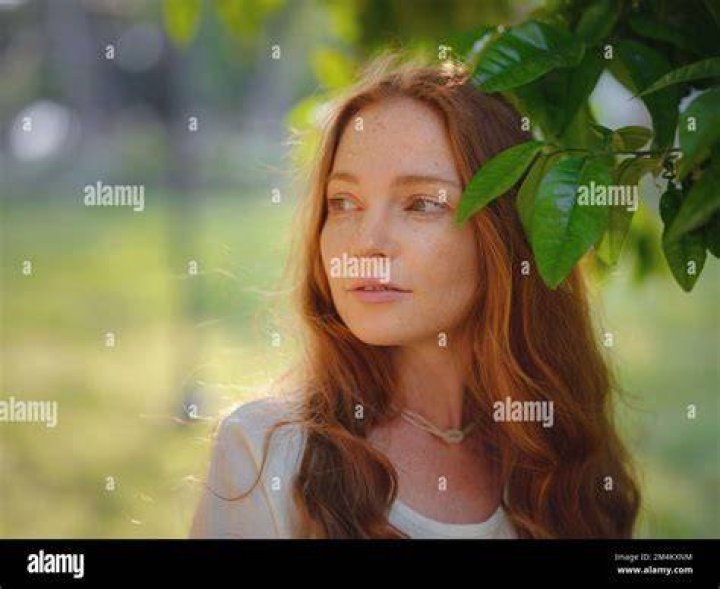
Soft Lighting and Blur. Photographs and illustrations in the mayukawai style often use soft, diffused lighting. Harsh shadows are avoided. Everything feels dreamy, almost out of focus.
Mayukawai vs. Traditional Kawaii: A Delicate Balance
It is tempting to see mayukawai as a direct opposition to kawaii, but that would be a mistake. The two aesthetics share a common root. Both value softness, youthfulness, and a certain kind of innocence.
The difference lies in emotional tone. Traditional kawaii is about joy, playfulness, and uncomplicated happiness. It is the smile of a child opening a present. Mayukawai, on the other hand, is about the quiet moment after the party ends. It is the look of someone who is smiling, but their eyes tell a different story.
This nuance is what makes mayukawai so compelling. It does not reject happiness. It simply acknowledges that happiness and sadness can coexist. That a person can be cute and broken at the same time.
Why Is Mayukawai Resonating Right Now?
Cultural trends rarely emerge in a vacuum. The rise of mayukawai coincides with a broader global conversation about mental health, vulnerability, and the pressure to perform happiness.
For years, social media has pushed a narrative of curated perfection. Everyone is smiling. Everyone is thriving. But the pandemic, economic uncertainty, and growing awareness of mental health struggles have cracked that facade. People are tired of pretending.
Mayukawai offers an alternative. It says: you do not have to be happy all the time. Your sadness is not a flaw. It is part of your beauty. This message resonates deeply with Gen Z and younger millennials, who are increasingly rejecting toxic positivity in favor of emotional authenticity.
Furthermore, the aesthetic aligns with existing Japanese concepts like mono no aware (the bittersweet awareness of impermanence) and wabi-sabi (the beauty of imperfection). Mayukawai is not a foreign import. It is a natural extension of a cultural sensibility that has always valued the poignancy of fleeting moments.
Mayukawai in Fashion and Street Style
The influence of mayukawai is not confined to digital art. It is spilling onto the streets, particularly in Tokyo’s Harajuku and Shibuya districts. Fashion bloggers and street style icons are experimenting with the look.
Key fashion pieces include oversized sweaters in muted tones, flowing skirts, and accessories that feel slightly disheveled. Think of a ribbon that is slightly untied, or a cardigan that hangs loosely off one shoulder. The goal is to look effortlessly vulnerable, as if you just rolled out of bed after a good cry.
Makeup plays a crucial role. The “sad girl” makeup look, popularized on TikTok, aligns perfectly with mayukawai. Think flushed cheeks, slightly smudged eyeliner, and glossy lips. The eyes are the focal point, often made to look watery with the strategic use of highlighter and white eyeliner on the waterline.
Hair is typically soft and unstyled. Loose waves, messy buns, and hair that looks like it has been gently tousled by the wind are all hallmarks of the aesthetic.
Mayukawai in Music and Media
The aesthetic is also finding a home in music. Japanese artists like Ado and Yorushika, known for their emotionally raw lyrics and melancholic melodies, embody the mayukawai spirit. Their music videos often feature the same soft, vulnerable imagery—characters crying in the rain, staring out of rain-streaked windows, or wandering empty streets at dusk.
Anime and manga have long explored similar themes. Series like “Your Lie in April” and “A Silent Voice” are built on the premise that beauty can be found in pain. Mayukawai simply gives this concept a name and a visual language.
Even video games are getting in on the trend. Indie games with soft, hand-drawn art styles and bittersweet narratives—think “Omori” or “To the Moon”—are prime examples of mayukawai in interactive media.
Criticism and Controversy: Is It Romanticizing Sadness?
No trend is without its critics. Some argue that mayukawai romanticizes sadness and mental illness. They worry that by making sadness “cute,” the aesthetic trivializes real suffering.
It is a valid concern. There is a fine line between acknowledging the beauty of vulnerability and glamorizing depression. However, proponents of mayukawai argue that the aesthetic is not about promoting sadness. It is about destigmatizing it.
“It’s not that we want to be sad,” one Tokyo-based artist explained in a viral tweet. “It’s that we want to be allowed to be sad without being judged. Mayukawai is a permission slip to feel your feelings.”
This distinction is crucial. Mayukawai does not celebrate despair. It celebrates the courage to be soft in a hard world. It is a visual hug for anyone who has ever felt like they had to hide their tears.
How to Embrace the Mayukawai Aesthetic
If you are intrigued by mayukawai and want to incorporate it into your own life, start small. You do not need to overhaul your entire wardrobe or art style.
For fashion: Invest in a few key pieces in muted, dusty colors. A soft lavender sweater or a gray pleated skirt can go a long way. Focus on textures like cashmere, cotton, and linen. Avoid anything too stiff or structured.
For makeup: Practice the “puppy dog” eye look. Use a light hand with your eyeliner, angling it slightly downward at the outer corners. Add a touch of pink or red eyeshadow to the lower lash line to create that “just cried” look.
For photography: Shoot in soft, natural light. Overcast days are perfect. Use a slight blur or grain filter to give your images a dreamy, nostalgic quality. Capture candid moments—someone looking out a window, or a hand reaching for a cup of tea.
For art: Study the work of Japanese illustrators who specialize in the style. Pay attention to how they use line weight and color to convey emotion. Practice drawing eyebrows that express vulnerability rather than joy.
The Global Future of Mayukawai
Trends come and go, but mayukawai feels different. It taps into something fundamental about the human experience: the need to be seen, even in our darkest moments.
As the world becomes more open about mental health, aesthetics that validate emotional complexity will only grow in popularity. Mayukawai is not just a style. It is a statement. It says that you can be soft and strong. That you can be cute and sad. That you can be a mess and still be beautiful.
Whether it evolves into a lasting subculture or remains a niche aesthetic, its impact is already clear. Mayukawai has given a name to a feeling that many people have carried for years. And that, in itself, is a powerful thing.
So the next time you see a character with watery eyes and a downturned brow, do not look away. Look closer. You might just see a reflection of yourself.