Vagina Tattoo: Pain, Healing, Risks, and What You Need to Know
The decision to get a tattoo is deeply personal. But choosing to ink the skin near your most intimate area—a so-called "vagina tattoo"—takes that personal choice to an entirely different level. It’s a topic that sparks curiosity, raises eyebrows, and, frankly, comes with a unique set of medical and practical considerations that most other tattoos simply don’t.
Let’s be clear from the start: when people search for "vagina tattoo," they are usually referring to tattoos on the mons pubis (the fatty tissue over the pubic bone), the labia, or the area just beside the vaginal opening. True tattooing of the internal vaginal mucosa is extremely rare and not something reputable studios perform. This article focuses on the external genital and pubic region.
Why Are People Getting Vagina Tattoos?
Motivations vary wildly. For some, it’s about reclaiming ownership of their body after trauma or surgery. For others, it’s pure aesthetics—a hidden piece of art meant for a partner or for themselves. There’s also a growing trend of "vajazzling" evolving into permanent ink. Social media, particularly Instagram and TikTok, has normalized the idea, with influencers showing off delicate floral designs, empowering words, or geometric patterns placed just below the bikini line.
But unlike a forearm tattoo, this isn’t a decision made on a whim. The stakes are higher. The skin is thinner, more sensitive, and constantly exposed to moisture and friction. That changes everything about the process.
The Pain Factor: What Does It Actually Feel Like?
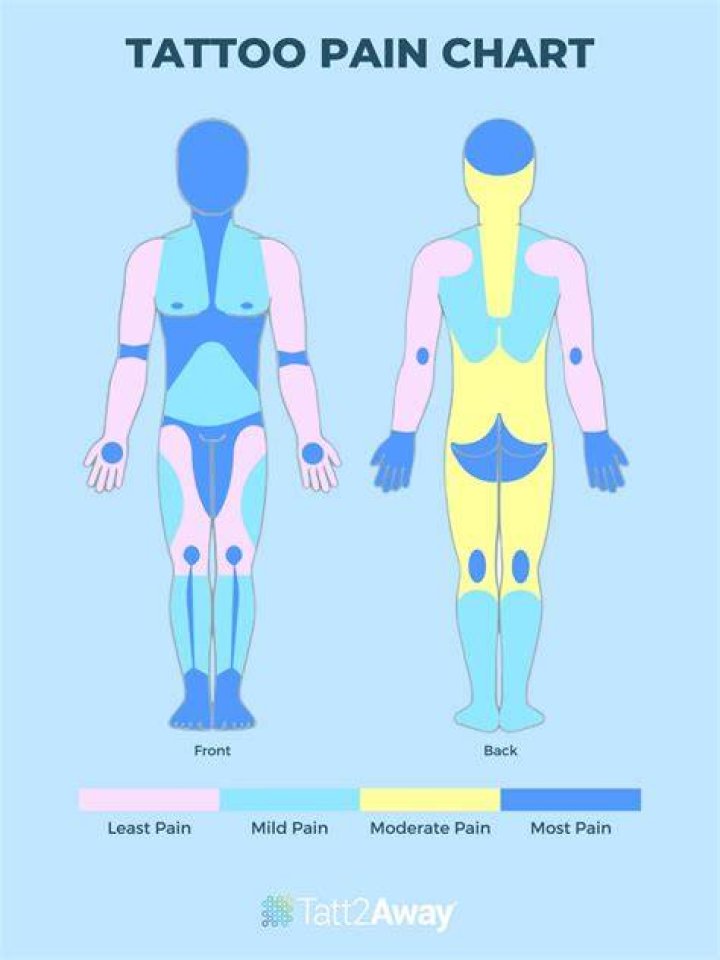
Let’s address the elephant in the room. Pain is subjective, but almost everyone agrees: a vagina tattoo hurts more than most other placements. The mons pubis has a dense concentration of nerve endings. The labia are even more sensitive. Artists describe the sensation as a sharp, vibrating sting that can feel almost unbearable during the first few passes of the needle.
One client described it as "a thousand tiny bee stings mixed with a deep, bone-level ache." Another said it was "like getting a Brazilian wax, but with a needle." The pain is often worse near the center line and the clitoral hood area. Most artists will not tattoo directly on the clitoris or the inner labia due to the extreme sensitivity and risk of nerve damage.
That said, many women report that the pain is manageable if they breathe deeply, take breaks, and use a numbing cream approved by their artist. The entire session for a small to medium design usually lasts 30 minutes to an hour. Anything longer becomes a test of mental endurance.
Healing: A Delicate and Often Uncomfortable Process
Healing a vagina tattoo is not like healing a shoulder piece. The area is warm, dark, and moist—a perfect breeding ground for bacteria if not cared for properly. The healing timeline is also different.
Days 1–3: Expect significant swelling, redness, and tenderness. Walking, sitting, and even wearing underwear can feel uncomfortable. Many women opt for loose cotton skirts or dresses and avoid tight jeans entirely. Urination can sting if the tattoo is near the urethra.
Days 4–7: The swelling subsides, but peeling and itching begin. This is the most critical phase. Scratching can ruin the design and introduce infection. Cold compresses and gentle cleansing with unscented soap are essential.
Weeks 2–4: The outer layers heal, but the deeper skin is still repairing. Friction from exercise, sex, or even long walks can cause irritation. Most artists recommend waiting at least 4–6 weeks before any sexual activity or vigorous exercise.
One major difference from other tattoos: you cannot use heavy ointments like petroleum jelly in this area. They trap moisture and clog pores, leading to folliculitis or infection. Instead, artists recommend a thin layer of water-based, fragrance-free moisturizer or a specialized tattoo aftercare balm.
Risks and Complications You Cannot Ignore
This is where the conversation gets serious. A vagina tattoo carries risks that go beyond the typical tattoo concerns.
Infection: The genital area is home to a complex microbiome. Introducing ink and trauma can disrupt that balance. Bacterial infections like staph or strep are possible. Symptoms include increasing pain, pus, fever, and red streaks radiating from the tattoo. If you experience any of these, see a doctor immediately—not your tattoo artist.
Allergic Reactions: Some inks, particularly reds, yellows, and blues, contain metals or other compounds that can cause allergic contact dermatitis. In this sensitive area, a reaction can be severe, causing blistering, intense itching, and scarring.
Scarring and Keloids: The thin skin of the labia and mons pubis is prone to hypertrophic scarring or keloids. Once formed, these are difficult to treat and can cause permanent discomfort or cosmetic dissatisfaction.
Nerve Damage: Though rare, improper needle depth can damage superficial nerves, leading to numbness, tingling, or chronic pain in the area.
Interference with Medical Exams: A large or dark tattoo on the mons pubis can obscure the view during pelvic exams or colposcopies. Some doctors report difficulty assessing skin changes or performing biopsies through heavily inked skin.
Choosing the Right Artist: Non-Negotiable Criteria
This is not a job for a friend with a tattoo gun or a walk-in shop. You need an artist who specializes in intimate tattoos and has a portfolio of healed work in this area. Here’s what to look for:
Licensing and Sterilization: The studio must be licensed and use autoclave sterilization. Needles and tubes should be single-use. Watch them open packages in front of you.
Experience: Ask how many genital or pubic tattoos they have done. A good artist will have at least 50–100 under their belt. They should also be willing to discuss pain management and aftercare in detail.
Consultation: A professional will never rush you. They will discuss placement, design size, and potential issues. They will also ask about your medical history, including allergies, skin conditions, and whether you are pregnant or breastfeeding.
Hygiene Protocol: The artist should wear gloves, a mask, and a clean apron. The area should be shaved or trimmed (usually by you beforehand) and disinfected with a surgical-grade antiseptic.
Design Considerations: What Works and What Doesn’t
Not every design translates well to this area. The skin moves, stretches, and is subject to constant friction. Fine lines and intricate details often blur over time. Bold, simple designs with thick outlines tend to age better.
Popular motifs include:
Floral patterns (lotus, rose, cherry blossoms)
Geometric shapes (mandalas, triangles, lines)
Words or phrases (empowerment quotes, names)
Symbols (butterflies, moons, stars)
Abstract art (watercolor splashes, dot work)
Avoid designs that require perfect symmetry, as the body’s natural asymmetry will distort them. Also, think about future weight changes, pregnancy, and aging. The skin here loses elasticity over time, which can stretch or distort the tattoo.
Cost: What Should You Expect to Pay?
Vagina tattoos are not cheap. Because of the specialized skill, higher risk, and shorter session times, artists often charge a premium. Expect to pay anywhere from $150 to $500 for a small to medium design. Larger, more detailed pieces can cost $800 or more. Never bargain hunt for this type of tattoo. The cheapest option is often the most dangerous.
Alternatives to Consider
If you love the idea of intimate body art but are hesitant about the pain or risks, there are alternatives. Temporary tattoos designed for the bikini area last a few days to a week. Henna is another option, though it requires careful application to avoid allergic reactions. Some women opt for "vajazzling" with crystals or glitter, which is non-permanent and painless.
Another growing trend is "scar cover-up" tattoos for women who have had C-sections or labiaplasty. These are often less about decoration and more about emotional healing. The same risks apply, but the psychological benefits can be profound.
Legal and Social Stigma
In many countries, tattooing the genital area is legal but heavily regulated. Some states or cities require special permits or health inspections for intimate tattooing. Artists may also refuse to tattoo minors or intoxicated clients in this area.
Socially, there is still a stigma. Some people view vagina tattoos as taboo or inappropriate. Others see them as a powerful form of self-expression. The truth is, it’s your body. But be prepared for judgment from friends, family, or even medical professionals. A thoughtful conversation with your partner or a trusted friend can help you process these reactions before you commit.
Final Thoughts: Is It Worth It?
A vagina tattoo is not for everyone. It requires a high pain tolerance, meticulous aftercare, and a willingness to accept the risks. But for those who choose it, the result can be a deeply meaningful piece of art that feels like a secret treasure.
The key is education. Know what you are getting into. Choose your artist with extreme care. Follow aftercare instructions to the letter. And listen to your body—if something feels wrong, stop and seek medical advice.
In the end, the best vagina tattoo is one that heals well, makes you feel empowered, and doesn’t compromise your health. That’s a standard worth holding yourself to.